At 7:12 on a Tuesday morning, a blurry photo starts moving through group chats: smoke near a train station, a caption saying the line is closed, and no source beyond “a friend who works nearby.” By 7:30, a local news site has published three paragraphs quoting the transit authority. Both versions are incomplete. One is likely to be corrected quietly; the other can travel for hours before anyone checks. Comparing them is not about choosing the “official” version every time. It is about recognising the different ways each one can be wrong — and testing both against evidence.
Start with the claim, not the crowd
Before you judge a story, reduce it to one sentence. “The station is closed because of a fire” is a claim with three parts: a place, a cause and a consequence. Each part can be true or false independently. A train may be delayed while the cause is a signal failure, not smoke. A photo may be real while the caption is wrong. Once the claim is clear, ask who is in a position to know. A transit operator knows about closures. A passenger knows what they saw from the platform. Neither automatically knows the cause, the duration or whether anyone was hurt.
This step protects you from a common trap: arguing about the mood of a post instead of its facts. A calm official notice can still be vague. A frantic eyewitness can still be right about what is visible. Keep the question narrow. What exactly is being asserted, and what evidence would make it more or less likely?
What official reports do well — and where they stumble
Official reports are useful because they usually come with a name, a time and a process. A police statement, a fire service update, a court filing or a company notice can be checked against earlier versions. If the wording changes, you can often see what changed and when. That trail matters. It lets you distinguish a confirmed fact from a working assumption.
But official does not mean infallible. Early statements are often cautious because the organisation is still gathering information. They can also be shaped by institutional caution, legal limits or a desire to avoid panic. A transport authority may confirm a delay without explaining the cause. A police force may confirm an incident without naming anyone. Those gaps are not proof of a cover-up; they are often the normal limits of a fast-moving response.
Read the primary document when you can. A screenshot of a statement is not the statement. Check the date, the issuing office and whether the page has been updated. Look for exact language: “assisting with enquiries” is not the same as “arrested.” If the report quotes an anonymous official, note that too. The source may be legitimate, but the distance between the original information and the published sentence matters.
What social posts reveal — and where they mislead
Social media can be faster and more granular. A local account may post a road closure before the council updates its website. A resident may show flooding on a street that no reporter has reached. That kind of detail is valuable, especially in the first hour. It can also be wrong in ways that are hard to see: the photo may be from last year, the clip may be from another town, or the caption may combine two separate events.
The incentive structure is different, too. A short post that sounds alarming gets shared; a careful correction gets less attention. That does not make every viral claim false. It does mean you should look for the original poster, not just the account that amplified it. Check whether they are on the scene, whether they have a history of accurate local posts, and whether the replies include corrections. If the post says “confirmed,” ask who confirmed it. If it says “sources,” ask whether those sources are named.
A side-by-side verification checklist
Use the same basic discipline for both, but adjust the questions to the source.
For an official report
- Find the original. Open the statement, filing or notice itself rather than a screenshot or a quote card.
- Note the timestamp. An update from 9 a.m. may replace a statement from 7 a.m.; check whether you are reading the latest version.
- Identify the authority. A police force, a regulator and a local council have different responsibilities. Make sure the body actually speaks for the issue.
- Compare with a second official source. A transport operator and a local emergency service should not contradict each other without explanation.
- Separate confirmation from comment. “We are aware” is not “we have confirmed.” “No injuries reported” is not “everyone is safe.”
For a social media claim
- Trace the post to its first appearance. Reposts often drop the date, place or correction.
- Check the poster’s vantage point. Are they nearby, or repeating someone else’s account?
- Look for the same image elsewhere. Search the description and check whether an older version exists with a different caption.
- Read the replies and quote posts. Local users often correct a wrong street name or an old clip quickly.
- Ask what is outside the frame. A short clip can show damage without showing the cause, or a crowd without showing the context.
Images, screenshots and clips need their own check
A screenshot is a picture of a claim, not the claim itself. Headlines can be edited; dates can be cropped; a quote can be lifted from a longer sentence. Go to the publication’s own page or the organisation’s own feed. If you cannot find the item, that is a warning sign, not proof of a conspiracy.
With video, watch once for content and once for continuity. Does the audio match the scene? Are there cuts that hide a gap? Do street signs, shop names or weather conditions fit the place and date? A clip of flooding in one city can be reposted during a storm in another. A photo of a crowded hospital can be from a different year. These checks are not about being cynical. They are about giving the image a fair test.
Be especially careful with numbers. A post that says “thousands” may be estimating a crowd; an official figure may count only those inside a venue. Both can be honest and still describe different things. Note the definition before you compare them.
When the two accounts collide, build a timeline
Write down what you know in time order, with the source beside each entry. Keep three labels: confirmed, disputed and unknown. This sounds basic, but it stops a common error: treating a later correction as if it were the original fact. For the train station example, the timeline might run: photo posted at 7:12; transit authority confirms delays at 7:30; fire service confirms a small track-side fire at 7:45; authority says service is resuming at 8:20. Each entry narrows the story without proving every caption that came before it.
Also check whether an official body is responding to the viral claim or ignoring it. Silence is not confirmation. A delayed statement is not a denial. If the claim involves a named person, a criminal allegation or a medical matter, be slower still. Reputation damage travels faster than corrections, and a social post is not a court record or a medical assessment.
A five-minute habit before you share
You do not need a newsroom to check a breaking story. You need a small routine you will actually use.
- Write the claim in one sentence.
- Open the original source, not the screenshot.
- Check the time and place.
- Find one independent confirmation or one clear contradiction.
- Decide what is confirmed, disputed and still unknown.
- If you share, say what you know and what you do not.
That last step matters. A post that says “reports of a closure on the east line; official update expected” is more useful than a dramatic claim with no edges. If the story involves health, money or the law, treat viral certainty as a reason to pause and check with a qualified professional or
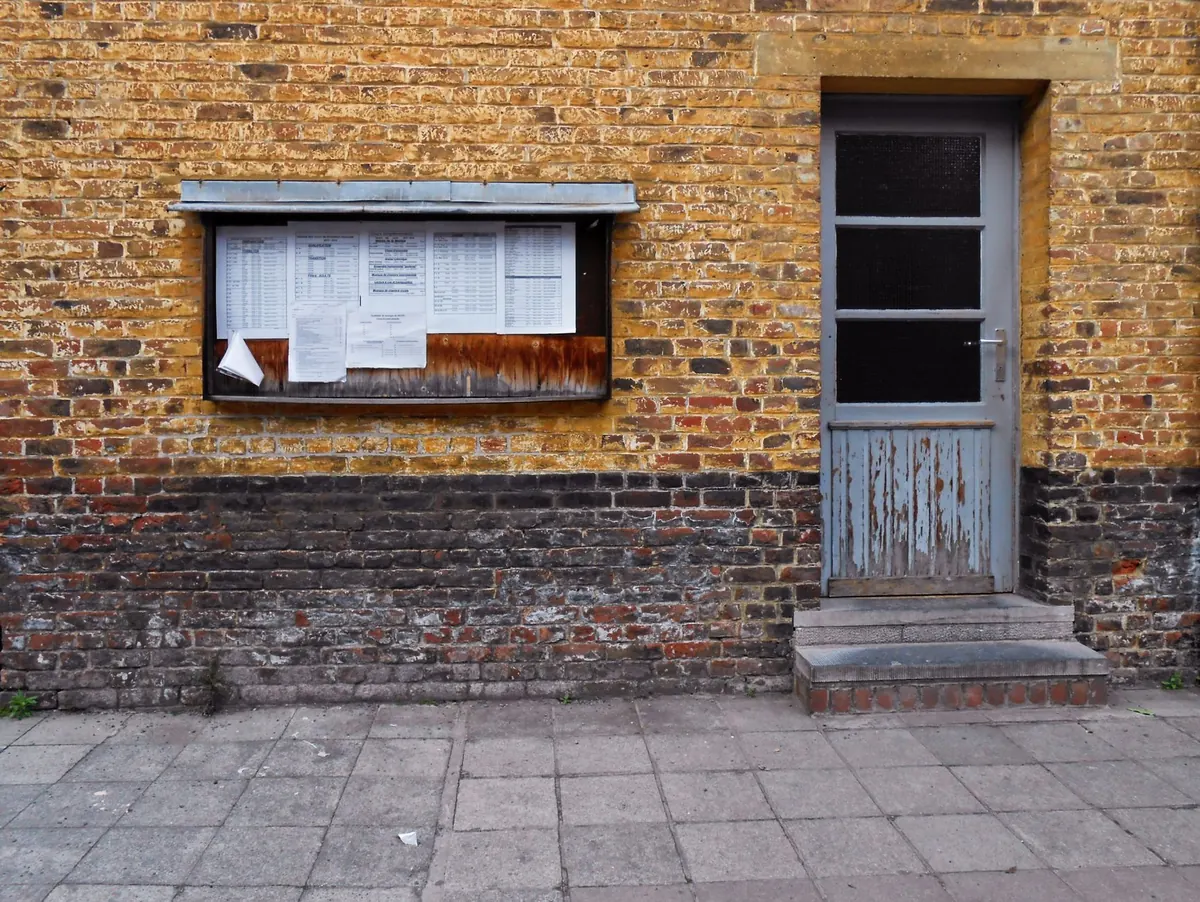
Photo: Leeloo The First / Pexels