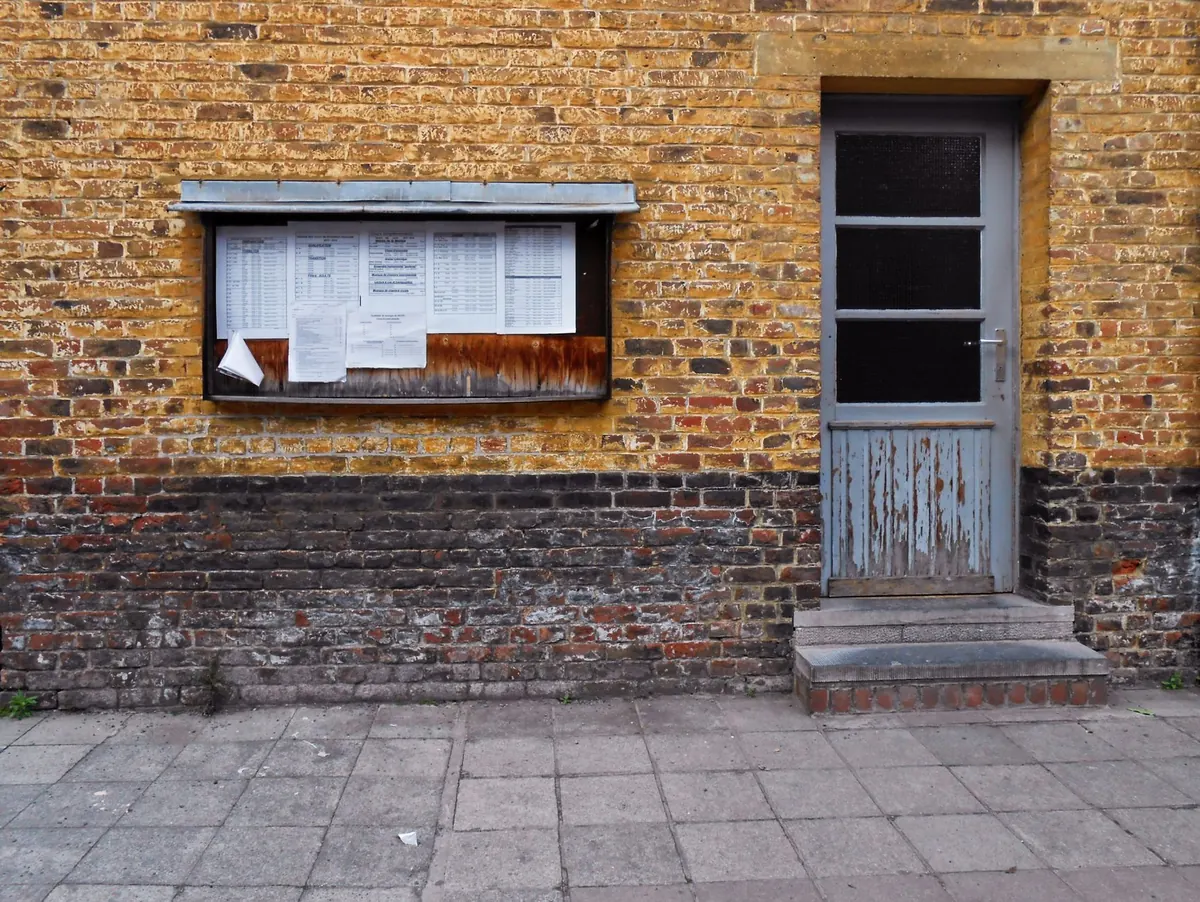
Big news travels fast and far. The small stuff does not. The bakery that quietly changes hands, the road that will be closed for three weeks, the committee trying to save the old cinema above the piazza — these things rarely reach a national desk. They appear on a notice board, in a PDF, in a conversation at the market, and then they disappear. In an Italian town, the person who catches them does not need a press card. They need a handful of sources, a little patience, and the habit of looking where news appears before anyone calls it a story.
Start With the Albo Pretorio
Every comune in Italy keeps an albo pretorio, the official notice board. For generations it was a glass-fronted cabinet near the main entrance, and people genuinely stopped to read it. Today most comuni publish it online as well, and that is where the paper trail of daily life begins: ordinances, permits, public competitions, budget documents, notices about water works, school closures, and the occasional decision that will shape a street for a decade.
The trick is rhythm rather than enthusiasm. Documents stay published for a set number of days and then come down, so a weekly visit catches almost everything. When something looks relevant, save the PDF and note the protocol number — the long reference code at the top. That number is how the office will find the file when you call, and how you will find it again in six months when the story resurfaces. Do not assume a notice is boring because the title is dull. "Determina dirigenziale" has launched more local arguments than any headline.
Read the Comune Website Like an Editor, Not a Citizen
Most people visit a municipal site twice a year, hunting for a form. Read it instead the way an editor reads a paper: knowing which sections carry signal.
- Ordinanze — temporary rules, often about traffic, noise, fire risk or public safety. They tell you what is changing and when.
- Determine and delibere — decisions and spending. Short documents, dense language, but they show where money is going and which contracts have been signed.
- Consiglio comunale — agendas before the meeting, minutes and recordings afterwards. The gap between the two is often the most interesting reading in town.
- Avvisi and bandi — deadlines, grants, public consultations, and the moments when residents are formally invited to have a say.
- URP — the ufficio relazioni con il pubblico. A single phone call to this office often saves an hour of clicking.
Use the site's search box rather than browsing menus, which are usually organised for administrators rather than readers. A search for a street name, a surname or a project keyword will surface everything posted under that term, including documents from years ago that give useful background.
Where the Town Actually Talks
Official paperwork tells you what has been decided. It rarely tells you what people think, or what has not been written down yet. For that, you need the informal layer, and every town has one.
The bar nearest the comune is the classic listening post, but the edicola still matters, and so does the weekly market, where the same vendors hear the same complaints in the same order every week. The parish notice board and the parish bulletin carry announcements that never touch a website. The Pro Loco knows about every sagra, every cancellation, every volunteer shortage. The local Facebook group is noisy and unreliable and occasionally first with a real story, usually a burst pipe or a missing dog that turns out to be locked in a garage.
Treat all of it as leads, not facts. A rumour overheard at the bar is a reason to make a phone call, not a reason to repeat something. The rule is simple and it protects you: two independent confirmations before you tell anyone else, and the comune's office as the first call when the subject is public works, schools or roads.
The Frazioni Hold the Stories Nobody Covers
Most Italian comuni are not one town but a centre plus a scatter of frazioni and hamlets, some with a few dozen residents and a church that opens twice a year. National media never looks there. Local media often does not either, because the newsroom is small and the centre is where the office is.
This is where the unreported stories live. A bridge closed for repairs with no reopening date. A bus route quietly reduced. A water supply that fails every August. A festa cancelled because the volunteers who ran it for thirty years have grown too old to continue. None of these will trend. All of them matter intensely to the people affected, and each one is a story you can tell properly with a few phone calls, a photograph and a date.
Reading Between the Lines of a Notice
Local documents reward close reading. A few habits help.
Watch the verbs and the deadlines
"Si avvisa" means the town is informing you. "Si invita" means you are being asked to participate. "Si diffida" means someone is being ordered to do something. Those differences matter, especially when a deadline is attached and the window to object is measured in days.
Ask who signed it
A notice signed by a single office clerk is routine. One signed by the sindaco or by a dirigente usually signals something with weight behind it, whether political, financial or practical.
Follow the money, gently
Determine and delibere show amounts, suppliers and timelines. You do not need to draw conclusions to report usefully. "The comune approved a contract for the resurfacing of Via Roma, with work expected to begin in spring" is a sentence residents will read, share and remember.
A sensible caution: anything with legal or financial consequences for you — an objection to a planning decision, a contract, a fine, a dispute with a neighbour — deserves advice from a qualified professional, such as a lawyer or a commercialista, and a direct conversation with the competent office. A notice read quickly is a starting point, never a substitute for proper advice.
A Twenty-Minute Weekly Routine
- Monday, five minutes: skim the albo pretorio and save anything that touches streets, schools, water, waste or public money.
- Tuesday, three minutes: check the consiglio comunale page for the next agenda and the last set of minutes.
- Midweek, one conversation: ask a shopkeeper, a barista or a market vendor what people have been complaining about. Write down two names and two subjects.
- Friday, five minutes: read the parish board, the Pro Loco page and any printed notice in a shop window. Photograph them; they vanish faster than PDFs.
- Ten minutes in the local group: sort by recent, ignore the arguments, note the practical questions people keep asking.
- Keep one running note with dates, names, phone numbers and protocol numbers. Local stories return on a cycle, and your note file becomes an archive no one else has.
Follow up by phone rather than email when a deadline is close. Italian municipal offices are usually more helpful in conversation than their websites suggest, and the person who answers can tell you which document you actually need.
Start With One Street
You do not have to cover the whole comune. Choose the street you live on, or the frazione you drive through every morning, and follow it for a month. Read every notice that mentions it. Ask the shopkeepers what has changed. Note the dates. Within a few weeks you will know more about that street than almost anyone, and the stories will start arriving on their own — because people tell things to the person who is visibly paying attention.
Then write it down plainly, with the date, what happened, and who said so. Small local stories are not lesser stories. They are the ones readers live inside, and they deserve the same care as anything on a front page.
Photo: Emmanuel Codden / Pexels